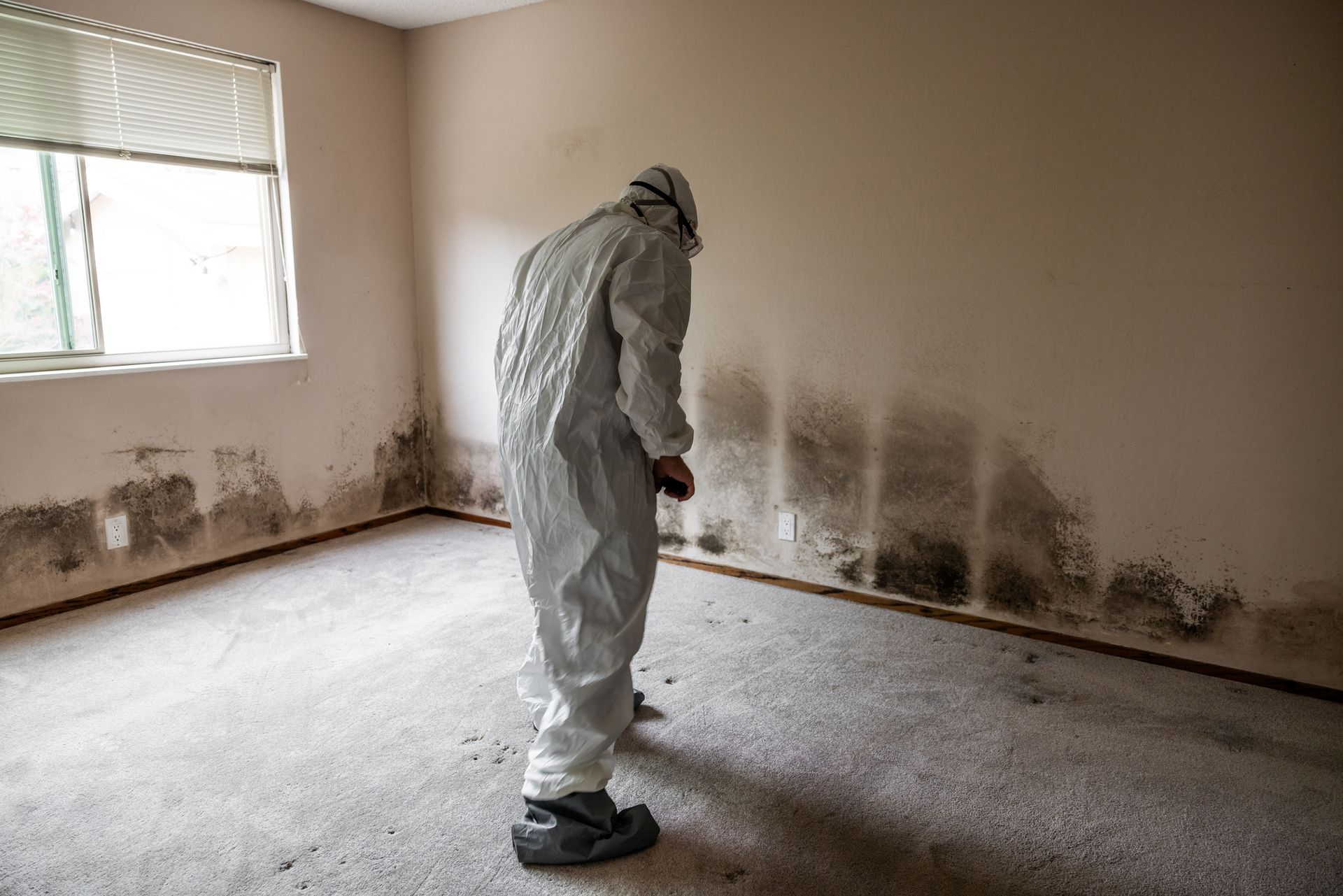



Living in Darwin, ANT, means dealing with one of Australia's most intense tropical climates. The heat and moisture that define life in the Top End also create near-perfect conditions for mould to grow inside homes and businesses. Understanding this connection is the first step towards protecting your property, and knowing when to seek professional mould remediation in Darwin, ANT, can save you significant time, money, and stress.
Why Darwin, ANT's Climate Creates Ideal Mould Conditions
Darwin, ANT, has two distinct seasons: the wet and the dry. During the wet season, which runs roughly from November through April, humidity regularly climbs above 80 per cent. The dry season brings some relief, with afternoon humidity dropping to around 30 per cent between May and September. But warm temperatures persist year-round, and that steady warmth is exactly what mould spores need to activate and spread.
Mould spores are always present in the surrounding air. What causes them to settle and grow is a combination of warmth, moisture, and a surface to feed on. In Darwin, ANT, those conditions are reliably met, especially during the wet season and the period locals know as "the build-up", when humidity rises sharply from around September before the rains properly arrive.
The Build-Up Period Raises the Mould Risk
The build-up, running from roughly September to December, sees both temperature and humidity climb before full wet-season conditions arrive. Surfaces inside your home can collect moisture even without visible rain. When air conditioning runs in some rooms but not others, temperature differences cause condensation to form on walls, ceilings, and inside sealed cupboards. That trapped moisture is the starting point for mould growth, and without prompt action, mould remediation is often not far behind.
Where Mould Commonly Appears in Properties
Mould does not confine itself to one area. In Darwin, ANT, homes and businesses, it tends to develop in several predictable locations.
Bathrooms and laundries are high-risk zones. Steam from showers and washing creates consistent moisture, and without proper ventilation, mould develops quickly on tiles, grout, walls, and ceilings. Running an exhaust fan and keeping a window open after showering goes a long way.
Wardrobes and bedrooms are another common trouble spot. Sealed cupboards with limited airflow trap humid air. Even with air conditioning running in adjoining rooms, pockets of warm, humid air settle inside built-in wardrobes, particularly along exterior walls.
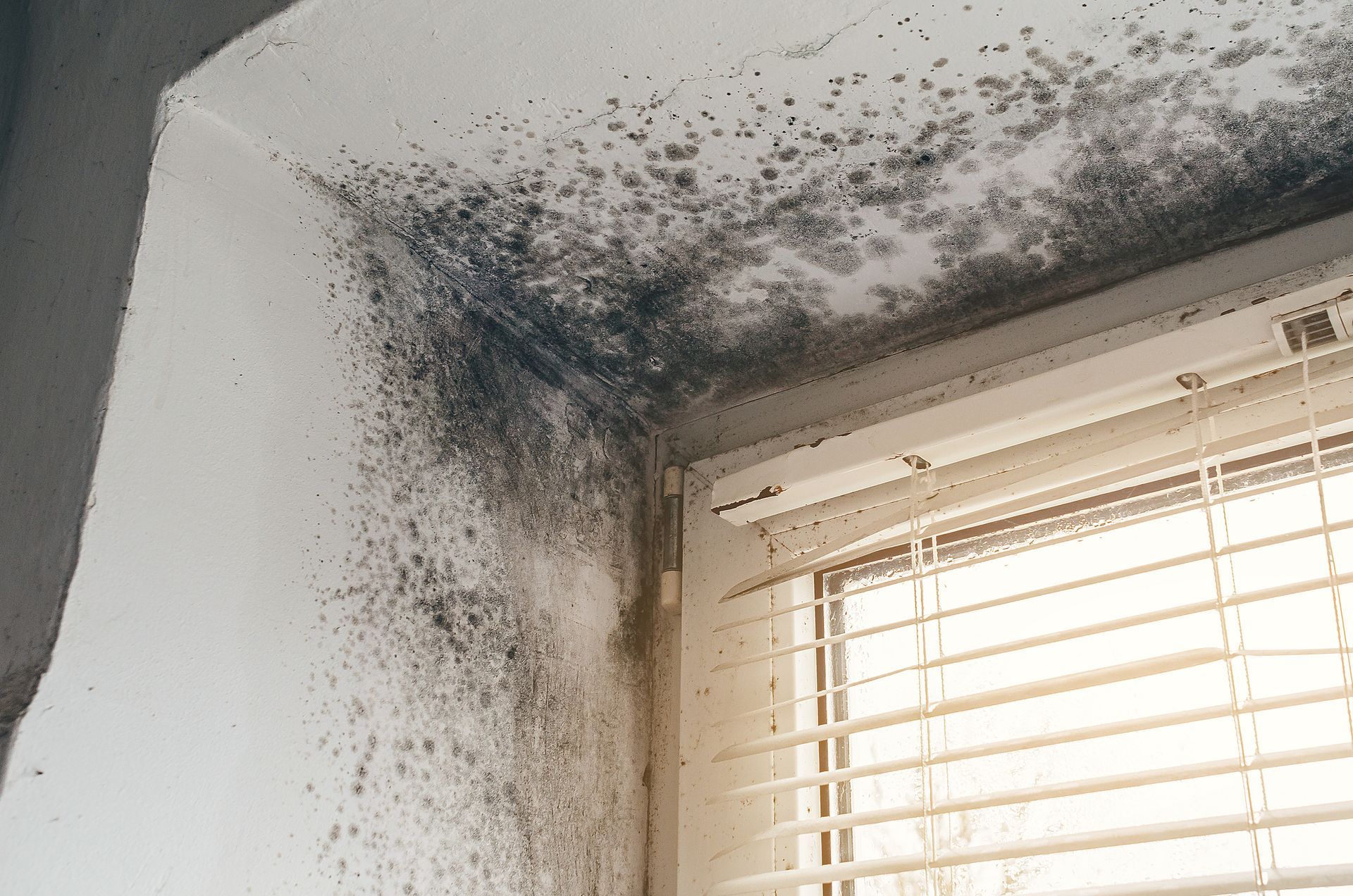
Ceilings and wall cavities can harbour hidden mould that is not immediately visible. Leaks from roofs or plumbing allow water to sit inside wall materials and ceiling linings. By the time you notice a musty smell or a visible stain, the problem may already require professional mould treatment to address properly.
Kitchens generate moisture through cooking and dishwashing. Steam, grease, and food particles combine with ambient humidity to give mould a food source on splashbacks, under sinks, and inside cabinets.
Commercial properties, including offices and retail spaces, face the same challenges. Air conditioning systems that are not regularly serviced can harbour mould and distribute spores throughout an entire building. Scheduling mould remediation as part of routine building maintenance is a practical way to stay ahead of the problem.
Practical Steps to Reduce Mould in Your Home
There are several measures property owners and tenants can take to lower the risk of mould developing.
• Keep indoor humidity below 50 to 60 per cent using an air conditioner or dehumidifier.
• Set your air conditioner to "DRY" mode rather than "COOL" during humid periods, as it removes more moisture from the air.
• Use exhaust fans in bathrooms, kitchens, and laundries and ensure they vent directly outside.
• Fix roof, plumbing, and window leaks as quickly as possible since even minor water intrusion creates persistent damp patches.
• Move furniture slightly away from exterior walls to allow air circulation and prevent condensation build-up.
• Keep gutters clear, as blocked gutters allow water to overflow into wall and roof cavities.
• Dry wet areas within 24 to 48 hours, as mould can begin forming very quickly in warm conditions.
The Limits of DIY Mould Cleaning
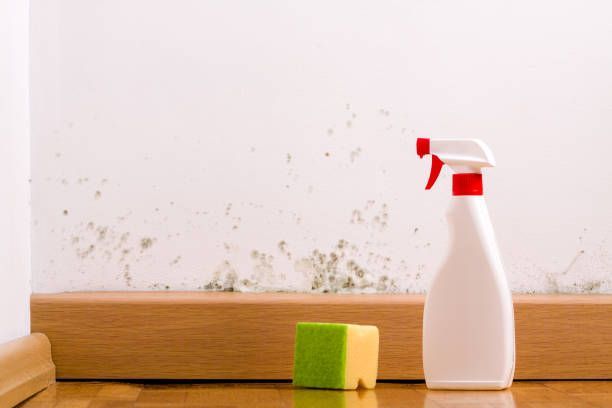
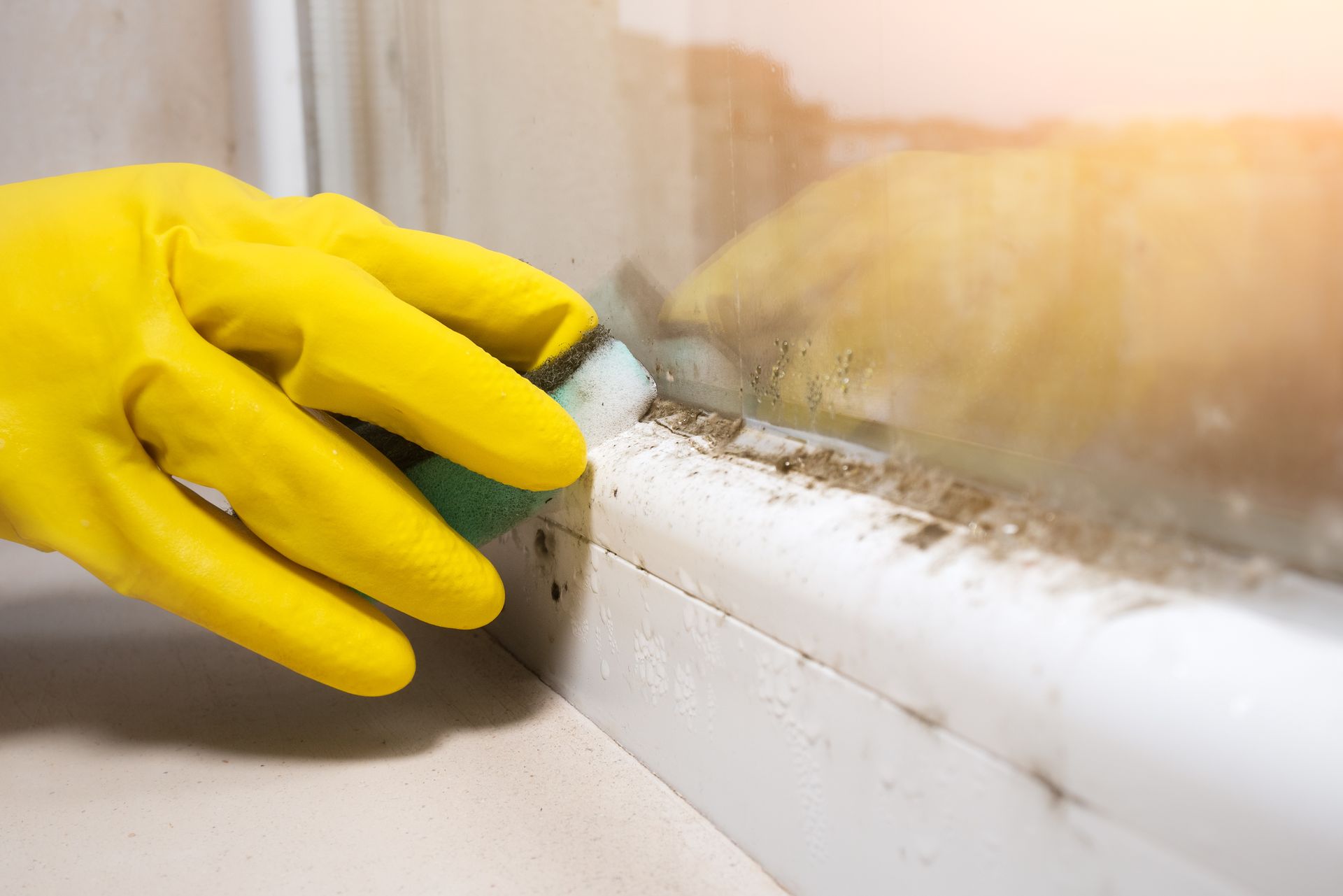
Many property owners attempt mould remediation themselves using bleach or off-the-shelf sprays. These products can remove visible staining on a surface, but they often leave the underlying mould colony intact inside porous materials like plasterboard, grout, and timber. Growth returns within weeks because the moisture source and the spores embedded in building materials have not been properly dealt with.
For small, isolated patches of surface mould, a careful cleaning response using the right products can be appropriate. However, for larger areas, recurring growth, or mould located inside wall cavities and roof spaces, professional mould elimination is the more effective and safer course of action. Attempting to disturb extensive mould growth without proper equipment can release spores into the air and spread the contamination further.
Recognising When Professional Mould Removal Is Needed
Knowing when a problem has moved beyond a DIY fix matters for both your property and your health. Consider calling in a specialist for mould remediation in Darwin, ANT, if you notice any of the following signs.
• Mould keeps returning within a few weeks of cleaning.
• A persistent musty odour is present without visible mould, which can indicate hidden growth behind walls or under flooring.
• Residents or occupants are experiencing unexplained respiratory symptoms, such as a runny nose, persistent cough, or itchy eyes.
• A flood, roof leak, or plumbing failure has left building materials wet for more than 48 hours.
• The affected area is larger than roughly one square metre.
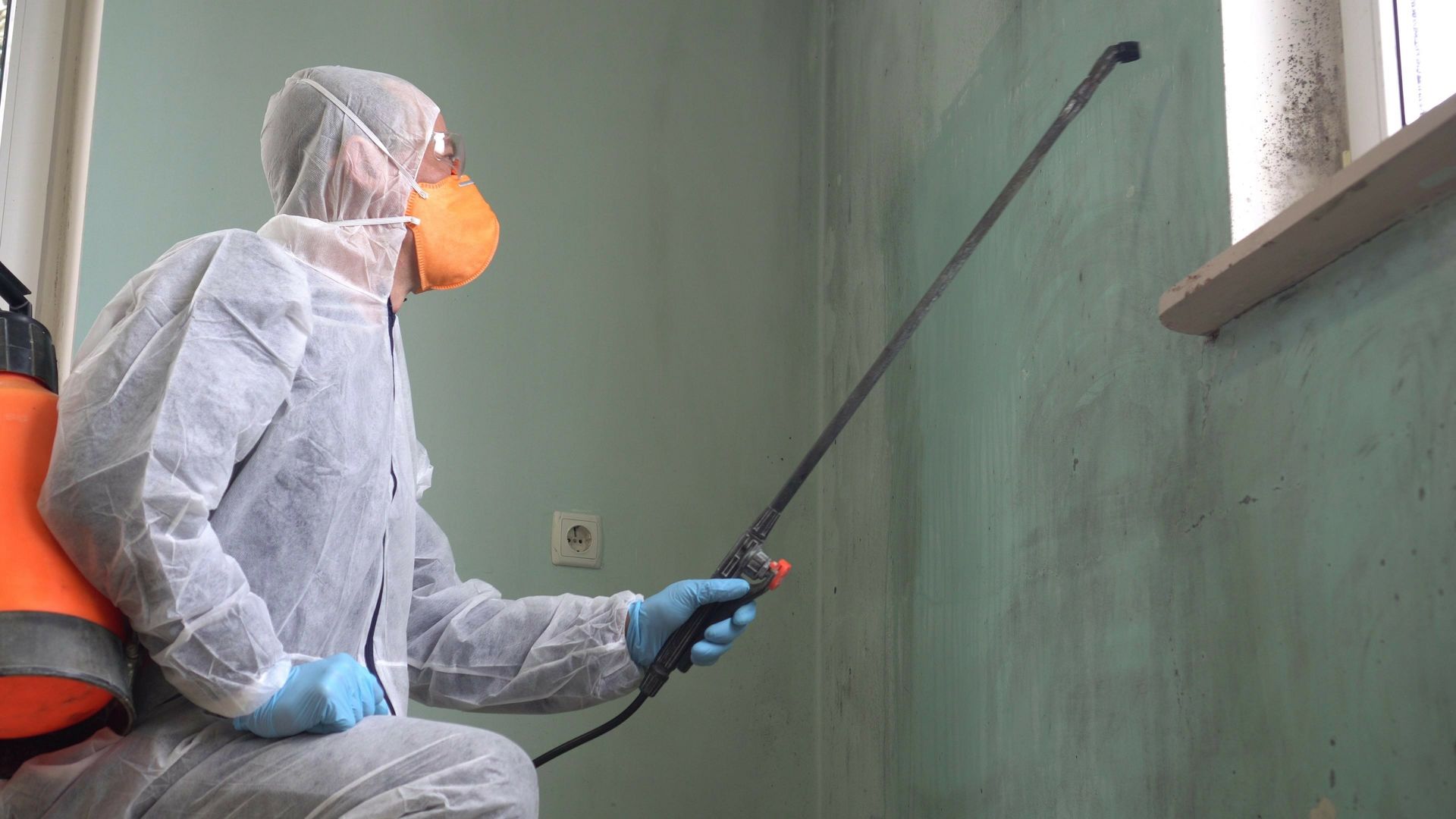
Trained professionals use moisture metres, thermal imaging, and specialised treatments to locate and address both visible and hidden growth. Critically, they also identify the moisture source that allowed mould to establish in the first place, which is what prevents it from returning.
The Case for Regular Property Inspections
In Darwin, ANT's climate, waiting until mould is visible before acting is rarely the best approach. Regular inspections of bathrooms, roof spaces, under-sink areas, and cupboards, particularly at the start of each wet season, can identify early growth before it spreads. Commercial properties should also schedule periodic checks of ventilation systems and any areas where water damage has previously occurred.
Early intervention through timely mould remediation is nearly always less disruptive and less costly than managing an established outbreak. Protecting your property proactively also protects the health of everyone who lives or works inside it. If you are unsure whether what you are seeing warrants professional attention, a proper assessment gives you a clear answer without guesswork.
Get Mould Treatment Experts Today!
Abbott Cleaning Service is a locally operated business with extensive experience in mould remediation across residential and commercial properties throughout the Top End. If you have a mould concern or want to learn more about the team's mould treatment services, you can also call 0417 322 972 to speak with the team directly.