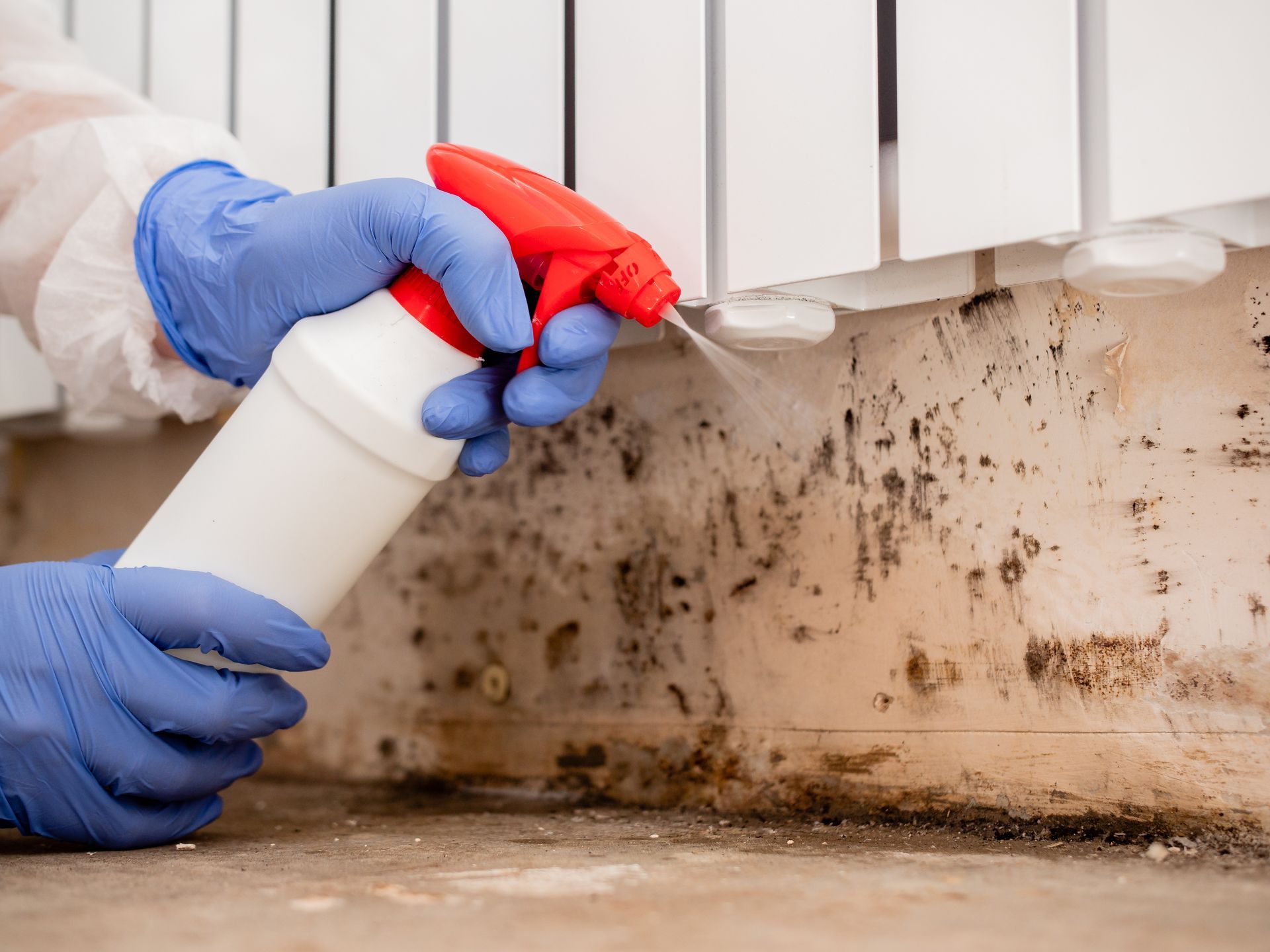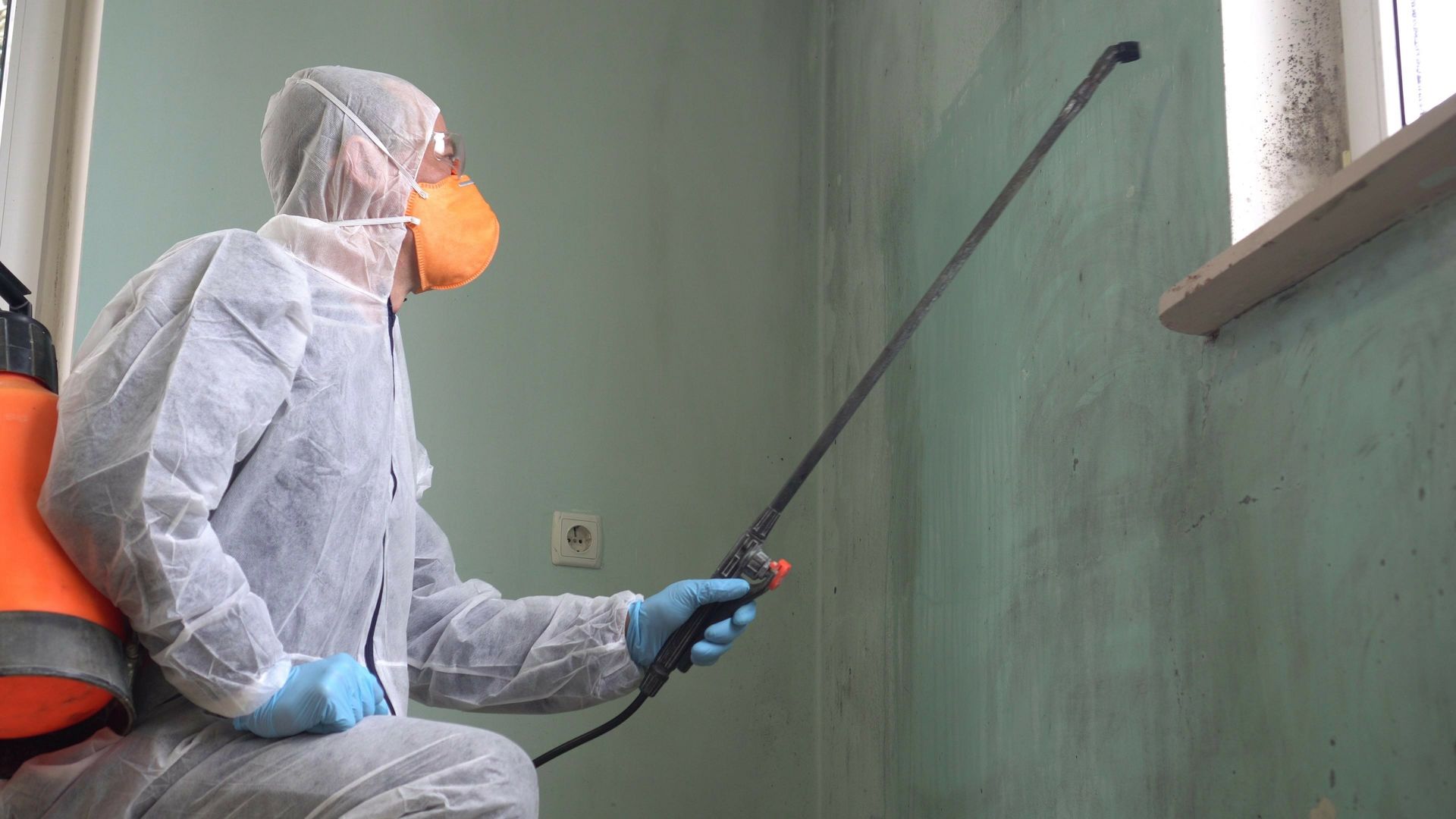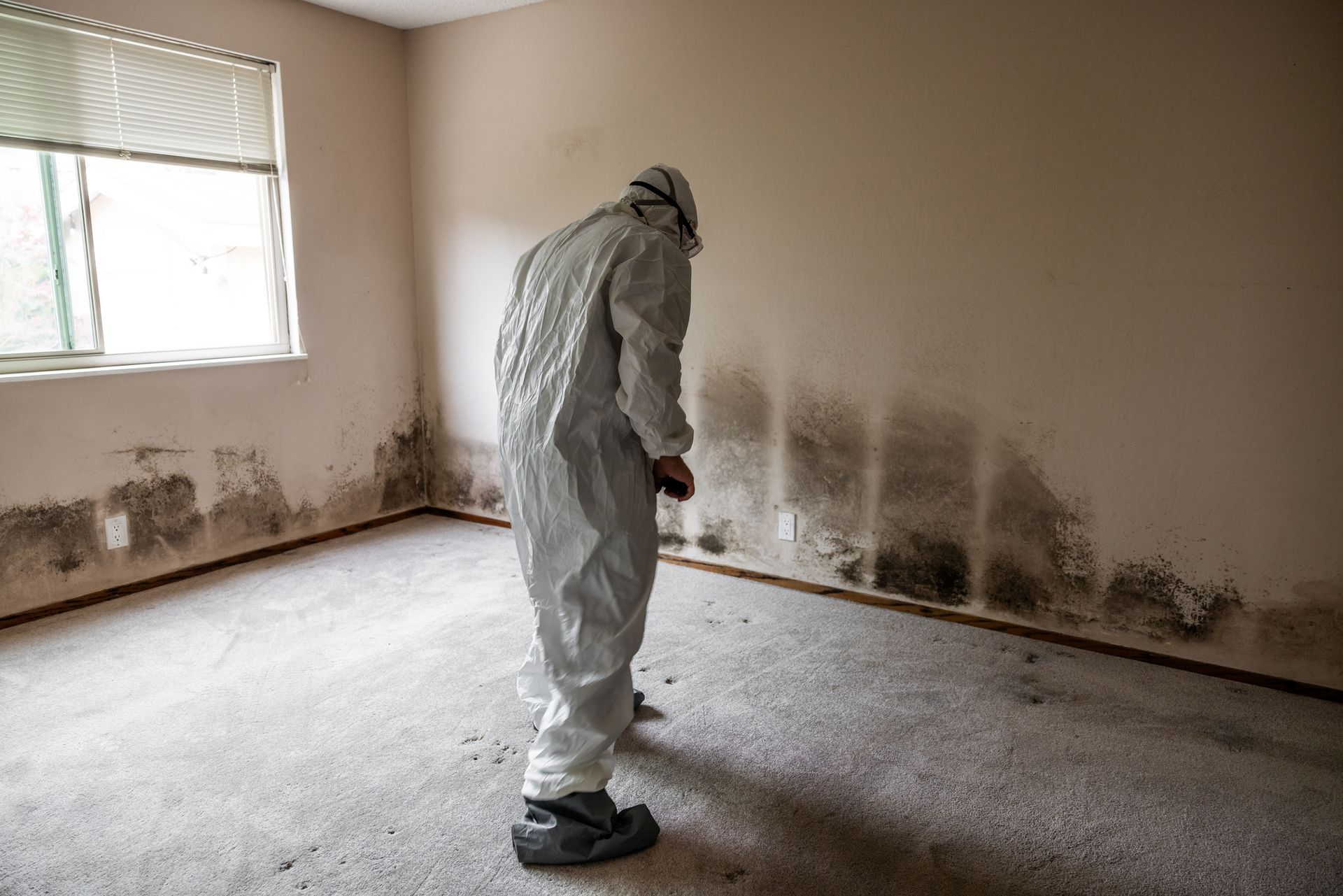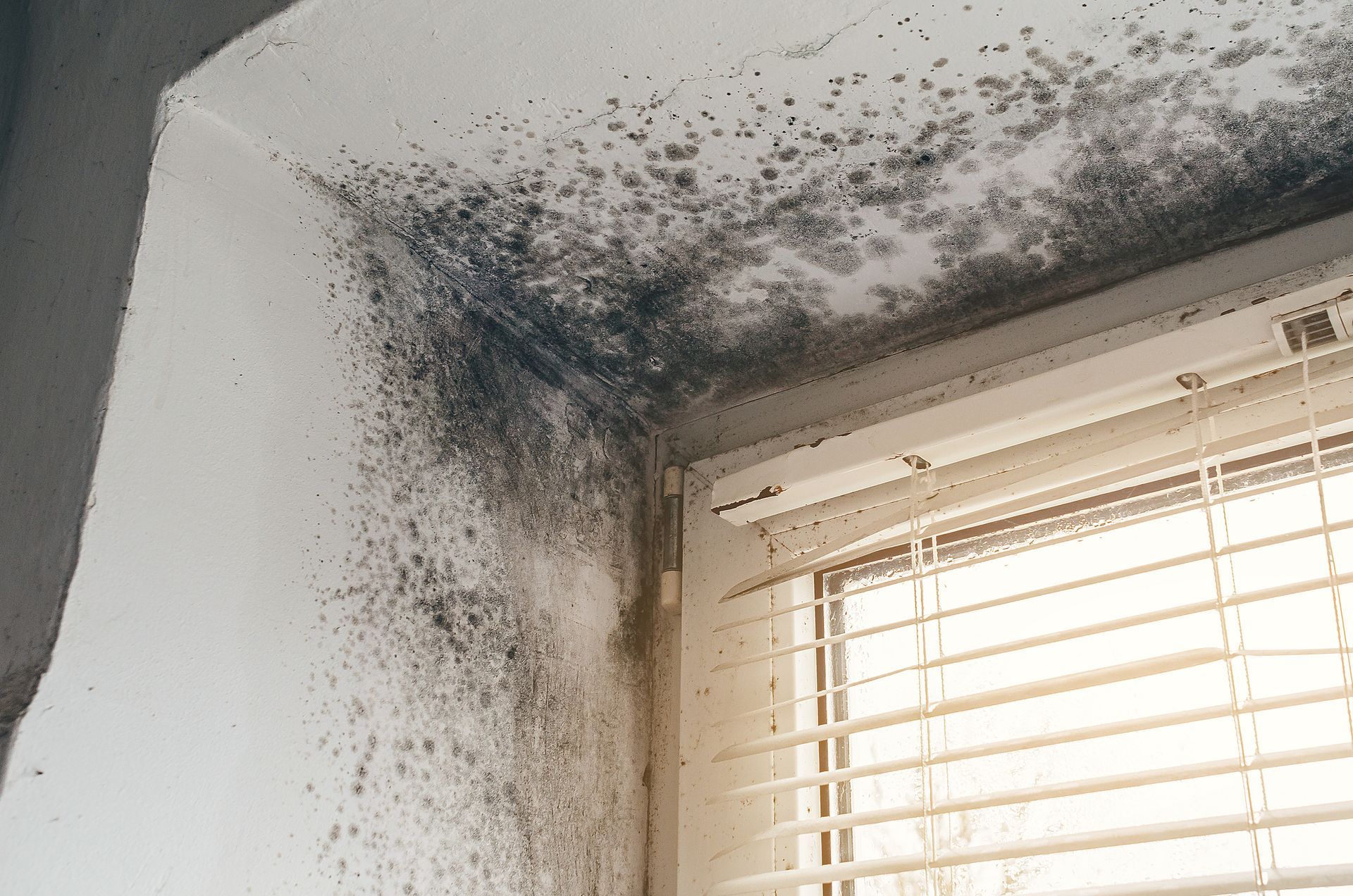



Darwin's wet season creates one of the most challenging mould environments in Australia. At Abbott Cleaning Service, we know how much damage can occur when homes are not prepared before the rains arrive. Knowing what to expect and acting early can make a real difference to your health and your property. This guide walks you through the wet season timeline, why humidity is the key trigger, and practical steps you can take room by room.
Call us today on 0417 322 972.
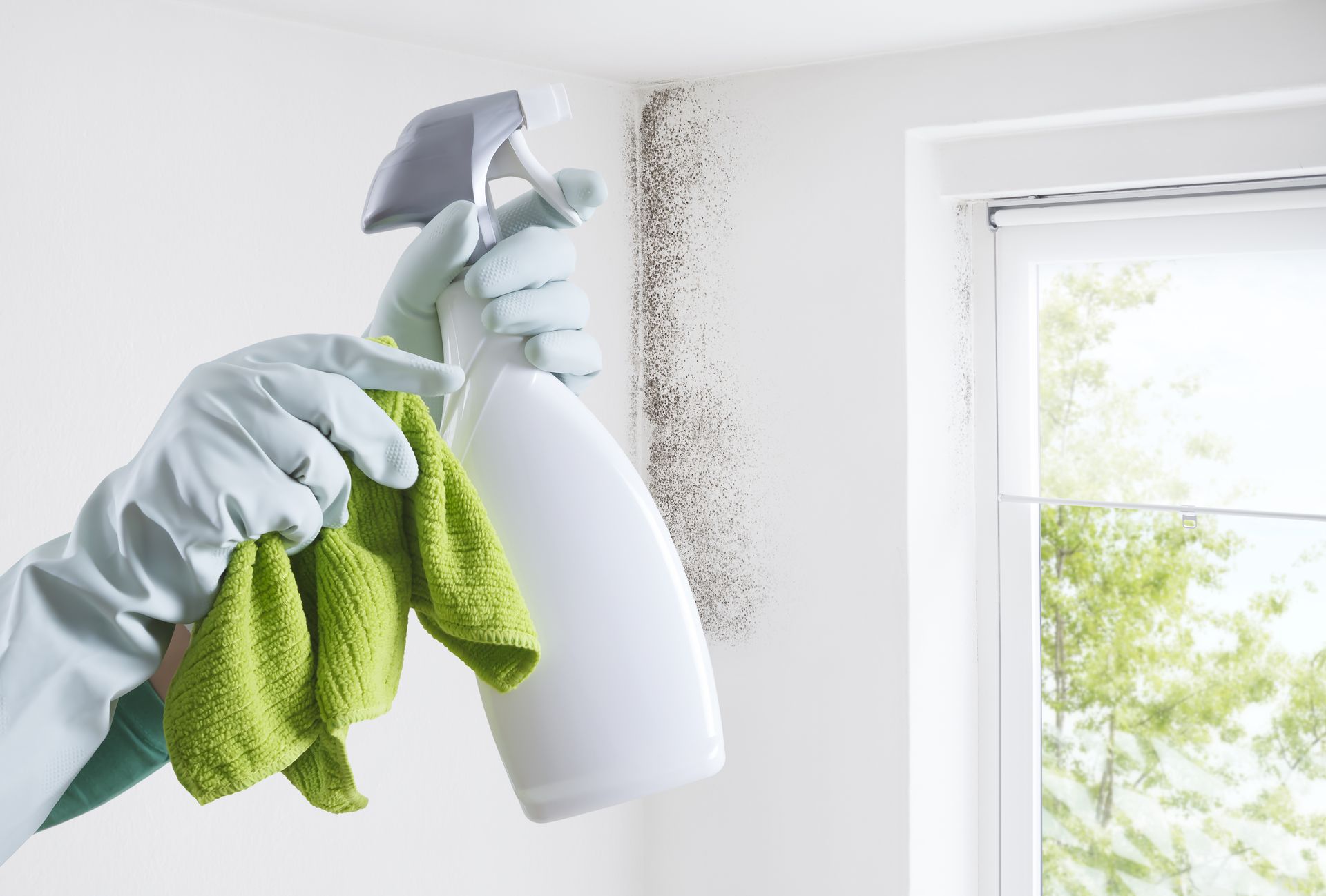
Darwin's Wet Season and Why Mould Follows It
Darwin's wet season runs roughly from November through to April. During this period, indoor humidity can regularly climb above 80 per cent, which is the main reason mould spreads so quickly in Darwin homes.
Mould spores are always present indoors at low levels. They only become a problem when they have the moisture they need to activate. Once humidity stays elevated and surfaces remain damp, dormant spores can begin germinating within 24 to 48 hours. By 72 hours, a small patch can already be releasing spores into the air you breathe.
The build-up season, typically October to November, is the best time to act. Scheduling mould cleaning in Darwin during the build-up period gives you the best chance of staying ahead of serious growth before the first big storms arrive.
How Humidity Above 70% Triggers Mould Growth
When indoor relative humidity stays above 70 per cent, porous surfaces like plasterboard, timber, grout, and carpet backing begin absorbing enough moisture to support active mould growth. The process can begin within 24 to 48 hours on vulnerable materials.
Even with air conditioning running, pockets of warm, humid air can become trapped in wardrobes, under furniture, and in poorly ventilated rooms. Coastal suburbs like Nightcliff and Fannie Bay often experience this more intensely, where sea air, high rainfall, and older louvre style homes mean limited control over internal humidity. Mould cleaning in Darwin homes in these suburbs is often needed earlier in the season than owners expect.
Room-by-Room Pre-Season Checklist
Starting your checks before November gives you the best chance of keeping mould under control. Here is what we recommend inspecting in each area of the home.
Bathroom and Laundry
These are the highest risk rooms in any Darwin home. Pay close attention to the following areas before the wet season begins.
▸Check exhaust fans are working properly and clear of dust or blockage.
▸Inspect grout and silicone for early discolouration or soft spots.
▸Wipe down walls and shelving with a mould inhibiting cleaner before the wet season begins.
▸Fix any dripping taps or slow draining basins that keep surfaces unnecessarily wet.
Wardrobes and Bedrooms
Leather goods, shoes, and clothing stored in wardrobes can show signs of mould during the wet season. The following steps can help reduce the risk.
▸Leave wardrobe doors slightly open or install louvred doors where possible.
▸Remove and air out seasonal items stored at the back of cupboards.
▸Place moisture absorbing products on wardrobe shelves.
▸Keep furniture slightly away from walls to allow air circulation.
Living Areas and Ceilings
Darwin homes with flat or low pitched ceilings can develop mould in ceiling corners, especially near air conditioning vents where condensation forms. Before the wet season arrives, we suggest attending to the following.
▸Inspect ceiling corners and cornice lines for early mould spots.
▸Check window frames and sills for moisture build-up or paint bubbling.
▸Ensure air conditioning filters are clean so the unit controls humidity efficiently.
▸Avoid drying laundry indoors, which adds significant moisture to the air.
Curtains and Blinds
Fabric curtains near louvre windows or sliding doors can develop mould very quickly once humidity rises. Inspect and clean these before November where possible.
When DIY Stops Being Enough
Surface mould on tiles or glass is often something homeowners can manage themselves with the right products and ventilation. However, there are clear signs that the problem has moved beyond a quick clean.
If mould is spreading across a wall or ceiling area larger than a dinner plate, if a persistent musty smell remains after cleaning, or if mould keeps returning within days of being wiped away, spores have likely penetrated into the surface material itself. In older homes in suburbs like Nightcliff, mould can also take hold behind wall linings where moisture has tracked in through weatherboards or around window frames.
At that point, surface cleaning alone will not solve the problem. Our professional mould cleaning in Darwin addresses both visible growth and the underlying spore contamination, preventing it from coming straight back.
Frequently Asked Questions
1. How Do I Know If My Home Needs Professional Mould Cleaning?
Signs that professional help may be needed include mould covering a large surface area, mould growing in multiple rooms, a musty smell that does not clear after ventilating, and mould appearing near ceiling cavities or wall junctions. Unexplained respiratory irritation or allergies in household members can also be a prompt to have the home professionally assessed.
2. Can Mould Come Back After It Has Been Cleaned?
Mould can return if the underlying moisture issue is not resolved. The most effective outcomes combine professional cleaning with steps to reduce moisture, such as improving airflow, maintaining exhaust fans, and keeping indoor humidity as low as practical during the wet season.
Is Mould in Darwin Homes a Health Risk?
Mould can affect indoor air quality and may trigger respiratory symptoms, particularly for people with asthma or allergies. Acting early, before a small patch becomes a larger problem, is the most practical approach for Darwin households.
Get Ready Before the Wet Season Arrives
Abbott Cleaning Service offers professional mould cleaning in Darwin, NT. See what Darwin homeowners are saying and read our Google reviews to hear from customers who have used our service firsthand. You can also contact our team to request a quote before the wet season takes hold. Call 0417 322 972 to speak with us directly.